


Contraception is far more than just protection against unwanted pregnancy. It affects your body, your sexuality, your well-being, and often your relationships. Many people begin their journey with contraception using the pill – it's simple, reliable, and widely available. But at some point, many ask themselves: Is hormonal contraception really the best option for me? Or are there alternatives that are a better fit for my body and my lifestyle?
In this article, we compare hormonal and non-hormonal contraception honestly, clearly, and practically . You'll learn about the differences, the advantages and disadvantages of each method, and how to make the right decision for you.
What does hormonal contraception mean?
Hormonal contraception works with artificially administered hormones , usually estrogen and progestin, or progestin alone. These hormones directly interfere with your natural cycle. They prevent ovulation, alter the uterine lining, and thicken the cervical mucus to make it more difficult for sperm to penetrate.
The most well-known hormonal methods include:
the birth control pill
Hormone patch
Vaginal ring
Three-month injection
Hormonal IUD
Hormone implant
The major advantage of these methods lies in their high reliability when used correctly . Many also appreciate the predictability of their cycle. However, hormonal contraception always means that your body is functioning under artificial control .
What does hormone-free contraception mean?
Hormone-free contraception completely avoids artificial hormones. It either mechanically prevents sperm from reaching the egg, or consciously identifies and avoids fertile days.
Hormone-free methods include, among others:
Femidom
Diaphragm
copper coil or copper chain
natural cycle methods
The major difference to hormonal contraception is that your natural cycle is preserved . Your body is not suppressed, but actively observed and understood.
The key difference: intervening or accompanying
The most important difference between hormonal and non-hormonal contraception lies not only in the method – but in the fundamental approach.
Hormonal contraception actively intervenes in your body . It controls the cycle from the outside, artificially prevents ovulation, and ensures hormonal balance.
Hormone-free contraception accompanies your body instead of controlling it. Your cycle remains unchanged, fluctuations are normal, and fertility is consciously perceived.
Some find these fluctuations stressful, others liberating. There's no right or wrong here – only what suits you.

Safety in direct comparison
A common argument for hormonal contraception is its high level of effectiveness. Indeed, methods like the pill or the hormonal IUD are very reliable when used correctly. However, hormone-free methods can also be very effective – if used correctly.
In general terms:
Very high safety: pill, hormonal IUD, copper IUD
High safety: symptothermal method when applied perfectly
Medium protection: condoms, diaphragm
What matters is not just the method itself, but how well it fits into your daily routine. The safest method is of little use if it is not consistently applied in everyday life.
Effects on the body
This is where one of the biggest differences becomes apparent.
Hormonal contraception
Many people tolerate hormonal methods well. Others experience:
Loss of libido or altered sexual desire
Mood swings
Breast tenderness
Weight fluctuations
Headache
altered skin
These effects don't necessarily occur, but they can. They often develop gradually over months or years.
Hormone-free contraception
Without hormones, the natural cycle is maintained. This means:
natural fluctuations in libido
noticeable increase in fertility
true menstrual bleeding
hormonal self-regulation
Some experience the switch as liberating, others as challenging – especially in the first few months after stopping hormones.
Sexuality while using hormonal contraception
Hormonal contraception affects sexuality in many people more than was long assumed. Hormones not only affect the menstrual cycle, but also desire, arousal, and emotional intimacy.
For some, sexuality remains stable, while for others , the experience of pleasure changes significantly. Some report experiencing spontaneous desire, more intense orgasms, and heightened body awareness for the first time after discontinuing hormonal contraception.
At the same time, others find hormonal contraception a relief because they can enjoy sexual encounters in a more relaxed way – without fear of pregnancy.
Sexuality in hormone-free contraception
Hormone-free contraception often makes sexuality more conscious. Fertile days are recognized, not suppressed. This can create intimacy, but also necessitate new conversations.
Many couples report that their sexuality changes because they have to talk to each other more: about protection on fertile days, about desire, about responsibility. As a result, sexuality often becomes more mindful , sometimes slower – but frequently experienced more intensely.
 Contraception: A comprehensive guide to safe sexuality
 Everything you need to know about condoms!

 Spice up your love life: Reach new heights with lubricant
 Gifts for singles: Celebrating yourself – with sensuality, self-love and style
Responsibility: Alone or together?
An often underestimated point is the question of responsibility.
With hormonal contraception, the responsibility lies almost exclusively with the woman in most cases. She takes hormones daily, endures the side effects, and is responsible for monitoring the results.
Hormone-free contraception often changes this dynamic. Especially with condoms or cycle-based methods, responsibility is visibly shared. This can strengthen relationships, but also requires openness, trust, and reliability.
Everyday usability in comparison
Hormonal methods are often convenient. Once started or taken daily, they run "in the background." There's hardly any need to actively engage with fertility or time windows.
Hormone-free methods, on the other hand, require:
Attention
discipline
communication
Thinking ahead in everyday life
This can be challenging for people with a very irregular lifestyle. For others, this conscious engagement is precisely what makes it beneficial.
For whom is hormonal contraception particularly suitable?
Hormonal contraception may be suitable for people:
desire maximum security
who do not wish to consciously experience their cycle
with very heavy or painful menstruation
in life phases with little predictability
with the desire for "thought-free" contraception
It is less suitable for people with certain pre-existing conditions or severe side effects.
For whom is hormone-free contraception particularly suitable?
Hormone-free contraception is often a good fit for people:
with unwanted side effects under hormones
with a desire for a natural body feeling
in stable partnerships
with an interest in menstrual cycle knowledge
with good self-observation
However, it requires more personal responsibility and mindfulness.
Everyday support: condoms, lubricants & more
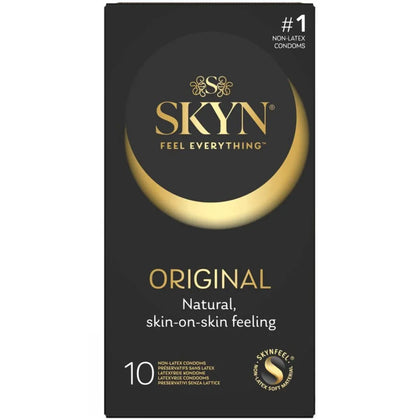
Especially with hormone-free contraception, high-quality products play a crucial role. Well-fitting condoms , pleasant lubricants , and safe materials not only increase safety but also comfort and pleasure.
At loveiu.ch you will find:
Condoms in various sizes
skin-friendly lubricants
Products to support conscious sexuality
This means that hormone-free contraception becomes not a restriction, but a self-determined expansion of your sexuality.
Conclusion: Hormonal or hormone-free – your decision counts.
There is no universally correct method of contraception. Hormonal contraception offers high reliability and comfort, while hormone-free contraception provides a more natural approach, body awareness, and often a new sexual experience.
The most important question is not: What is medically possible?
But rather: What suits your body, your life, and your relationship?
Contraception should feel good – physically, emotionally, and in your relationship. At loveiu.ch you'll find products to support you, no matter which path you choose.
Loveiu is the leading Swiss online sex shop with a comprehensive guide offering tips on sex toys and a fulfilling love life. Check back occasionally and look out for great articles.
Unsere Bestseller
Diese Produkte bereiten unseren Kunden die meiste Freude!
Produkte im Sale
Sichere dir ausgewählte Produkte zum reduzierten Preis.

Bekannte Marken bei Loveiu