


Contraception is an essential topic for a healthy and carefree sex life. Whether for preventing pregnancy or protecting against sexually transmitted infections (STIs), there are many methods tailored to different needs. This article provides a detailed overview of the various contraceptives, their advantages and disadvantages, and helpful tips for making an informed choice.
Why is contraception important?
Sexual health plays a central role in many people's lives. Contraception not only protects against unwanted pregnancies but also helps prevent infections. The right method of contraception is particularly crucial for couples who want to actively manage their family planning or who have multiple partners.
Overview of the most important contraceptive methods
There are various types of contraception that can be chosen according to individual preferences and health considerations. The main categories are:
1. Hormonal contraceptive methods
Hormonal contraception alters the body's hormonal balance to prevent pregnancy.
-
Birth control pill : The pill contains estrogen and progestin, which suppress ovulation. It must be taken daily.
Hormone patch : It is stuck to the skin and continuously releases hormones.
Contraceptive ring : A flexible plastic ring that is inserted into the vagina and releases hormones there.
Hormone implant : A small rod that is inserted under the skin and works for several years.
Three-month injection : A hormone injection that needs to be renewed every three months.
-
Hormonal IUD : A combination of intrauterine contraception and hormonal effect that protects for up to five years.
2. Barrier methods
These methods prevent sperm from entering the uterus.
Condoms : Protect against both pregnancy and sexually transmitted infections.
Femidome : Female condoms that function similarly to male condoms.
Diaphragm : A silicone cap that is placed in front of the cervix and used together with spermicide.
Cervical cap : Similar to the diaphragm, but smaller and fits more securely.
Spermicides : Chemical substances that kill sperm and can be used in combination with other methods.
3. Intrauterine methods (coils)
IUDs are inserted into the uterus and can be effective for several years.
-
Copper IUD : Releases copper ions that inhibit sperm motility.
Hormonal IUD : Continuously releases progestin to thicken the mucus in the cervix and suppress ovulation.
4. Natural methods of contraception
These methods are based on observing one's own body to determine fertile days.
Temperature method : Body temperature is measured daily to determine ovulation.
Cervical mucus method : Observation of the mucus in the cervix to determine fertile days.
Calendar method : Cycle records to calculate the fertile phase.
Coitus interruptus : The man withdraws before ejaculation – an unreliable method with a high failure rate.
5. Permanent contraception
For people who do not want (any more) children, there are permanent solutions.
-
Female sterilization : The fallopian tubes are cut or blocked.
Vasectomy in men : The vas deferens are cut so that no more sperm can enter the seminal fluid.

Which contraceptive method is the right one?
Choosing the right contraceptive method depends on many factors:
Health aspects : Some methods are not suitable for everyone, e.g., women with a risk of thrombosis should avoid hormonal contraception.
Protection against STIs : Only condoms and female condoms offer protection against sexually transmitted infections.
Long-term planning : Those seeking a long-term solution can consider coils or implants.
-
Simplicity and convenience : Some methods require daily application, others are effective for months or years.
Contraception for couples: Important considerations
Couples should decide on their method of contraception together. It's important to talk openly about needs, risks, and preferences. Many couples combine different methods to ensure additional protection.
Modern contraceptives: Latest developments
Research is continuously working on new methods of contraception. Some of the latest developments include:
Hormone-free alternatives : New copper IUDs and barrier methods without chemical additives.
A male contraceptive pill : Still in the testing phase, but could be available in the future.
Contraceptive gel for men : Currently being tested in studies and could become a hormone-free alternative to vasectomy.
-
Microchips for hormone dosing : Future technologies could enable controlled hormone delivery via chip.
 Everything you need to know about condoms!
 Oral condoms: Safe oral sex made easy – application, benefits and tips

 How to unroll a condom correctly – safely, easily and without mishaps

Measuring penis size for buying condoms – what you should really pay attention to
 Sex during menstruation? Here's what you should know!
Common myths about contraception
There are many misconceptions surrounding contraception. Here we clarify some of them:
"You can't get pregnant during your period" : This is false – sperm can survive for several days, and with short cycles, overlaps can occur.
-
“Double condoms offer better protection” : In fact, they increase the risk of tears due to friction.
"The pill causes permanent infertility" : Fertility usually returns after stopping the pill.
“Natural methods of contraception are safe” : They have a higher failure rate than hormonal or barrier methods.
"Hormonal contraception always leads to weight gain" : Not everyone reacts the same way to hormones, and many people do not gain weight.
Contraception in the online sex shop: What do we offer?
As an online sex shop, we know how important safe and comfortable contraception is. In our product range you will find a wide selection of:
Condoms in various sizes, flavors and materials
-
Oral condoms / dental dams for oral sex
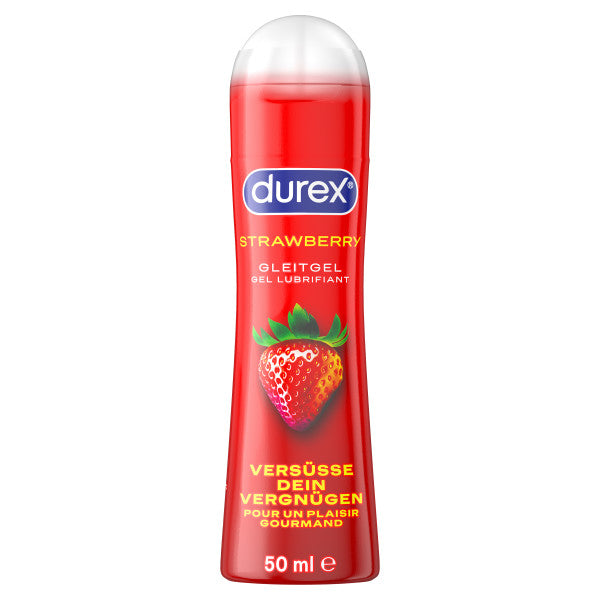
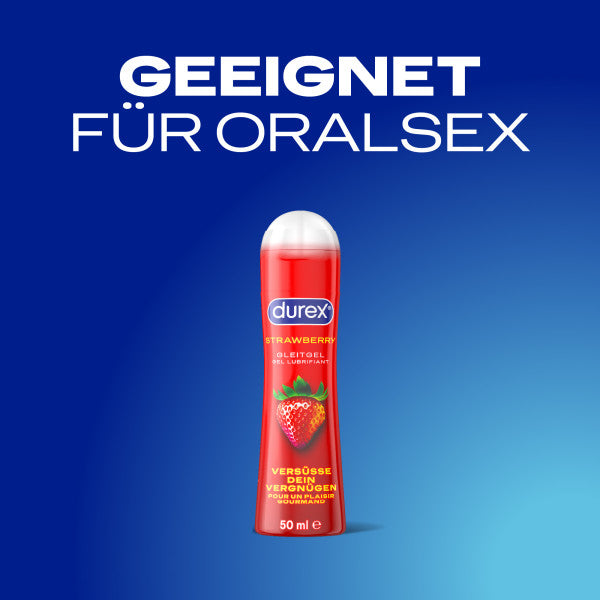
Lubricants that are compatible with condoms
Practical storage solutions for contraceptives
Conclusion
Contraception is a crucial part of responsible and fulfilling sexuality. Choosing the right method can prevent both unwanted pregnancies and infections. Many options are available, and with the right information, everyone can make the best decision for themselves. In our online sex shop, you'll find everything you need for a safe and pleasurable experience!
Loveiu is the leading Swiss online sex shop with a comprehensive guide offering tips on sex toys and a fulfilling love life. Check back occasionally and look out for great articles.

Unsere Bestseller
Diese Produkte bereiten unseren Kunden die meiste Freude!



Produkte im Sale
Sichere dir ausgewählte Produkte zum reduzierten Preis.

Bekannte Marken bei Loveiu